
Dive Computer Buying Guide: How to Choose One in Singapore
A dive computer watches your depth every few seconds and recalculates, live, how long you can safely stay. Paper tables treat your whole dive as if you sat at maximum depth; on a real reef dive that difference is worth tens of minutes of bottom time. It is the first serious purchase after your mask, and the one piece of kit that is genuinely about safety. This guide explains prices in SGD, the algorithm question in plain English, watch-style versus full-size, and every model on our shelf, all 21 are in stock in Singapore as we write this.
How much does a dive computer cost in Singapore?
From our own shelf, real prices, no imports-may-vary hedging:
| Tier | SGD | What you get | Examples we stock |
|---|---|---|---|
| Entry | $295-$510 | Air + nitrox, safety stops, solid screens | Seac Action $295, Suunto Zoop Novo $380, Crest CR-4 $380, Scubapro Z1 $465, Akuana Otter $508 |
| Mid | $535-$880 | Colour screens, freedive modes, air-integration ready | Crest CR-5L $535, Atmos Mission 3 $595, Scubapro Aladin A2 $660, Suunto D5 from $755, Nautic S $880 |
| Premium | $980-$1,450 | AMOLED displays, trimix/CCR ceilings, watch-daily-wear | Suunto Nautic $980, Suunto Ocean $1,150, Suunto DX $1,200, Scubapro G2 $1,330, Nautic + Tank Pod bundle $1,450 |
Every price above is a live shelf price, and 0% instalment plans are available in store.
The algorithm, in plain English
Every computer runs a decompression model that estimates nitrogen loading in over a dozen theoretical tissue compartments. Two families matter on our shelf:
Bühlmann ZHL-16C with Gradient Factors (Atmos, and the newest Suunto models): the open standard. Gradient Factors are a transparent conservatism dial: a common default is 40/85, and dialling the second number down toward 75 gives you a bigger safety buffer, sensible if you are doing four dives a day on a liveaboard or just prefer margin. The numbers mean the same thing on every brand that uses them, so buddies can match settings.
Suunto Fused RGBM 2 (D5, EON Core, and classic Suuntos): a proprietary model tuned with bubble mechanics for repetitive dives. You adjust conservatism through personal settings rather than raw numbers. It has a reputation for being cautious on repetitive and sawtooth profiles, which for a recreational diver mostly means it errs on the side of ending your dive early rather than late.
The honest recreational takeaway: any modern computer from a real brand keeps you inside sensible limits. Differences show up on aggressive repetitive diving, and the DAN position worth remembering is that no-stop limits manage risk rather than eliminate it: dive the computer conservatively, not at its edge.
Watch-style or full-size?
Almost everything modern is wrist-worn; the real split is screen and battery philosophy.
- Segment LCD, user-replaceable battery (Zoop Novo, Vyper Novo, Seac Action): batteries last a year or more of diving, nothing to charge on a trip, screens are basic but readable.
- Colour LCD / MIP, rechargeable (Crest CR-4/CR-5L, Akuana Otter, D5): brighter data, recharge every few days of diving. The CR-5L weighs 75 g, you will forget it is on.
- AMOLED, rechargeable, wear-it-daily (Nautic family, Suunto Ocean, G2): phone-grade screens with colour-coded data at a glance. The Nautic S claims up to 60 hours per charge; the Ocean doubles as a full sports watch, so it never leaves your wrist between trips.
If you fly to dive a few weeks a year, a user-replaceable-battery unit is the lowest-maintenance travel companion. If you want one device for gym, runs, and reefs, the watch-style AMOLED computers are the reason to spend more.
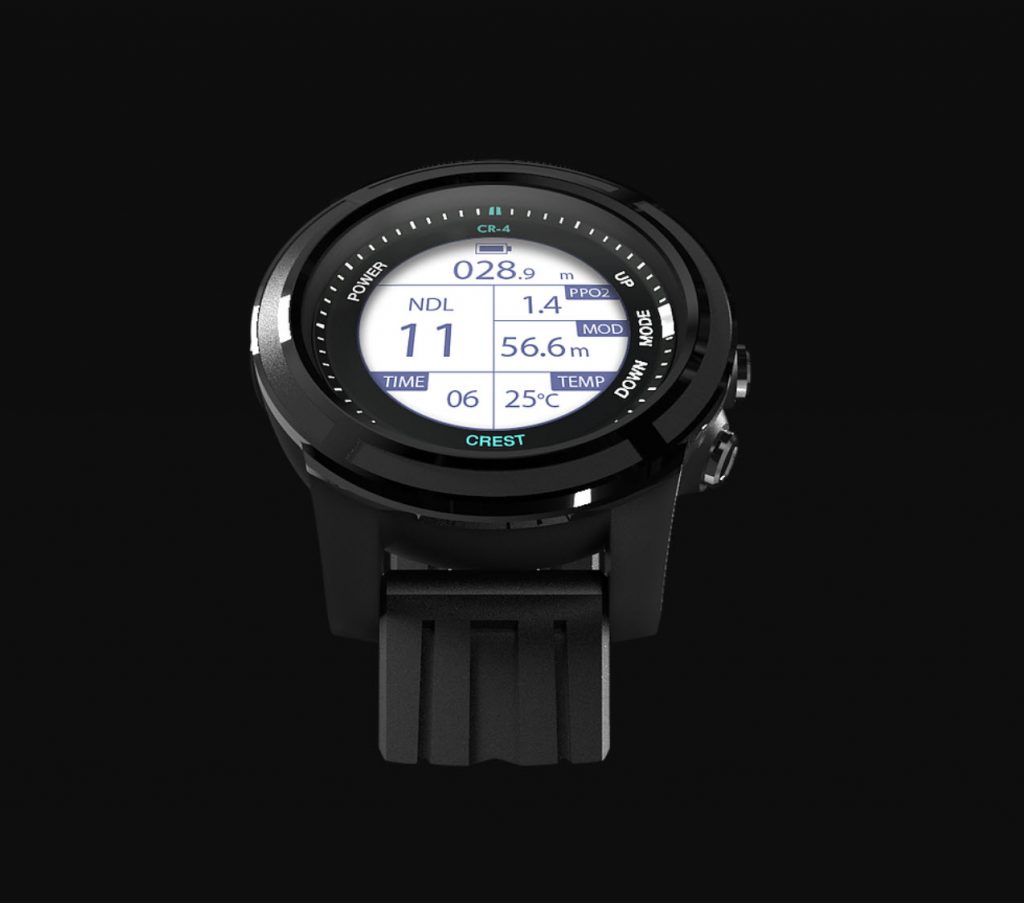
Best budget dive computers we stock
- Seac Action, $295: the cheapest real dive computer on our shelf. Air, nitrox, gauge and free modes in a sports-watch shape.
- Suunto Zoop Novo, $380: the classic first computer, five modes, big friendly digits, battery you replace once a year instead of charging.
- Crest CR-4, $380: colour screen and rechargeable fast-charging battery at an entry price, with scuba and freediving modes.
- Scubapro Z1, $465: the 2024 relaunch with quick-switch straps; the tidiest entry point into a big-brand ecosystem.
- Akuana Otter, $508: colour LCD, Bühlmann ZHL-16C with deep-stop support, air/nitrox/gauge.
Buying your first computer? Start here
For a newly certified diver our straight answer is: buy the entry computer, not the flagship. A $380-500 unit tracks the same no-stop limits as a $1,400 one; what you are paying for above that is screen, battery convenience, air integration, and technical ceilings you may never need. The Z1 or Zoop Novo will carry you from Open Water through your first hundred dives, and if you later go AMOLED or air-integrated, entry computers hold their value as trusted backups, every tech diver carries two.
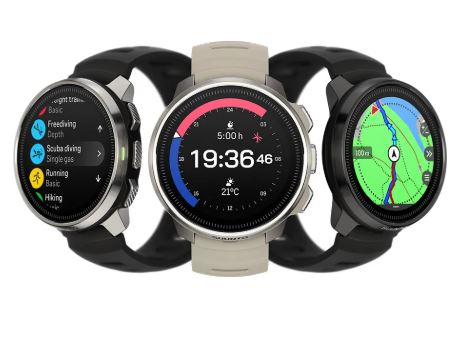
The Suunto Ocean, and Ocean vs Nautic S
The Suunto Ocean ($1,150) is the most-searched dive computer on this site, and it earns it: a full dive computer and a full sports watch in one, with wireless tank-pressure support and customisable audio and vibration alarms. If you already live in the Suunto sports ecosystem, it is the obvious pick.
Against the Nautic S ($880): both are AMOLED and dive-ready. The Ocean adds the complete sports-watch life (training, navigation, daily wear); the Nautic S is the purer diving instrument with up to 60 hours per charge, and saves you $270. Buy the Ocean if it will replace your daily watch, the Nautic S if it will live in your dive bag. The Nautic ($980) and Nautic Elastic Textile ($1,088) sit between, and there is a Nautic + Tank Pod bundle at $1,450 that saves against buying the transmitter separately.
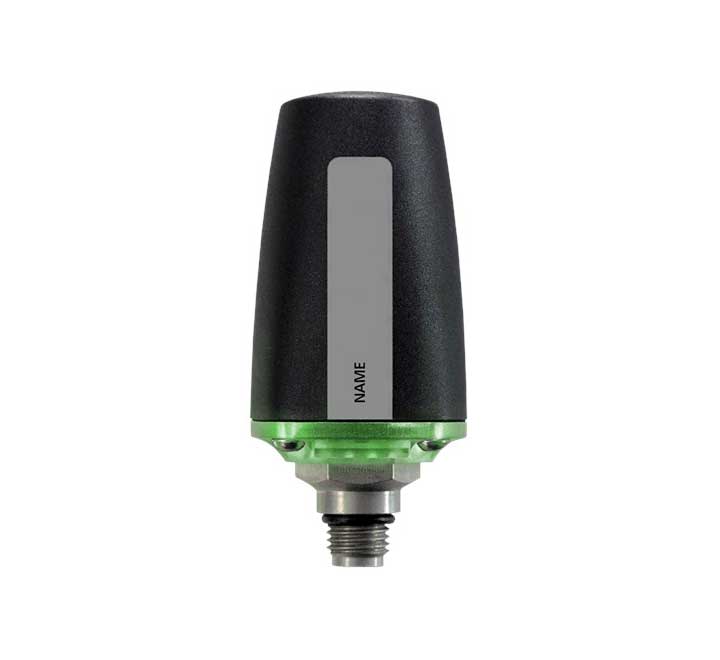
Air integration: worth it?
Air integration puts your tank pressure on your wrist via a transmitter on the first stage, and lets the computer log your gas consumption dive after dive. The Suunto Tank Pod is $480 (on sale from $530) and pairs with the D5, EON Core and EON Steel; the Nautic family and Ocean support wireless tank pressure too, and on the Scubapro side the Aladin A2 is air-integration capable. Our honest take: it is a genuine quality-of-life upgrade, not a safety requirement, your SPG still works. Budget for it on your second computer, or grab the bundle if you know you want it now.
Freediving too?
The Suunto D4f ($395) is the dedicated freediving pick. If you split time between scuba and apnea, the Atmos Mission 3 ($595, on sale from $700) is the strongest dual-lifer we stock: 130 m rating, vibration alarms, apnea training tables and GPS dive-spot marking, and the Crest CR-4/CR-5L and Zoop Novo all carry free modes as well.
Batteries, care, and travel
- Rinse in fresh water after every trip; salt in the buttons is the most common fault.
- Rechargeables: charge before the trip, pack the cable in hand luggage. User-replaceable types: replace the battery at your annual service rather than mid-trip.
- Fly with the computer in hand luggage. It logs your no-fly countdown after diving, respect it, typically 18-24 hours after repetitive days.
- Firmware: watch-style units update over Bluetooth through the brand app; do it before the trip, not on the boat.
Frequently asked questions
Do I need a dive computer for Open Water?
You can certify without owning one, but it is the first thing worth buying afterwards. Rental computers vary by shop and you lose your own dive log continuity. An entry unit costs less than two dive trips.
Do all dive computers handle nitrox?
Every computer on this page does, including the $295 Seac Action. Set the O2 percentage before the dive and the computer adjusts your limits. If you plan an Advanced or Nitrox course, any of these will follow you.
Can I wear a dive computer as a daily watch?
The watch-style models, yes: the Suunto Ocean is explicitly built for it, and the Nautic family, D5, Aladin A1 and Atmos Mission 3 all pass as sports watches. The chunkier segment-LCD units are dive instruments, not dress watches.
How long does a dive computer last?
Ten years is a reasonable expectation for a looked-after unit; the limiting factors are battery service, strap wear, and eventually algorithm/firmware support. Buy from a brand with local distribution so servicing stays easy.
Wrist or console?
Almost everything modern is wrist-first. If you want your computer in the console next to your SPG, the Suunto Vyper Novo ($480) mounts either way and includes wireless air integration.
Can I try one before buying?
Yes. Every computer in this guide is in our Singapore store; come in, put it on, and press the actual buttons. Prices are checked daily against other dive shops.
Ready to compare? Browse all dive computers with live stock, or bring your questions to the store and we will match a computer to where your diving is headed. Getting certified first? Our PADI courses come with a gear discount from day one.