
Tioman Diving Guide: Trips from Singapore, Seasons, and Dive Sites
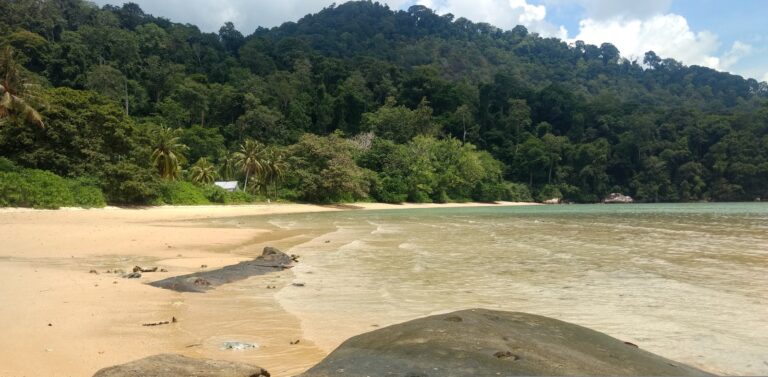
Tioman is the classic first dive trip from Singapore: close enough for a weekend, cheap enough to repeat, and genuinely good diving: granite pinnacles wrapped in soft coral, turtles on the house reefs, and visibility that rewards picking the right month. This guide covers getting there, when to go, the sites worth knowing, and what to pack, written from the gear counter that outfits divers for this trip every week.
Getting there from Singapore
There are no practical flights; everyone goes overland then by ferry.
| Leg | Time | Notes |
|---|---|---|
| Singapore to jetty (coach or car) | ~3.5-4.5 h | Two jetties: Mersing (Johor) or Tanjung Gemok (Pahang); includes the land border crossing, so factor immigration queues on long weekends |
| Ferry to Tioman | ~1.5-2 h | Bluewater Ferry and Cataferry; Mersing departures are tide-dependent, Tanjung Gemok tends to run more predictably |
| Door to door | ~5-7 h | Ferries stop at several jetties: Genting, Paya, Tekek, Air Batang, Salang |
Most Singapore divers go as a package: coach + ferry + resort + dives booked as one, leaving Friday night or early Saturday. Book ferries early for public holidays; they sell out.
When to go (and when the island closes)
Tioman effectively shuts from around November to February or early March: the northeast monsoon brings rough seas, ferries thin out, and most resorts and dive operators close. The season runs roughly March to early November. Within it, the sweet spots are mid-March to May and September to mid-October, the months divers call the golden windows for visibility; June to August brings the most settled weather and the school-holiday crowds. Right after the monsoon (late February, March) the water is still churned and green, usually 8-15 m visibility, improving fast.
Conditions
Water sits at 27-30°C in season, which is rash-guard-to-3mm territory (our wetsuit guide covers the choice). Visibility is typically 10-20 m, stretching toward 25-30 m on good golden-window days and dropping near wrecks or after weather. Currents range from nothing on the sheltered house reefs to genuinely sporty on the offshore pinnacles, which is exactly why the island works for every level: calm sites for courses and new divers, current-swept pinnacles for the experienced.
The dive sites worth knowing
| Site | Depth | Character |
|---|---|---|
| Tiger Reef | ~10-22 m | The signature dive: a submerged pinnacle between Labas and Sepoi carpeted in soft coral, barrel sponges, schooling barracuda and trevally. Can carry current; the one experienced divers come back for |
| Pulau Labas | ~5-20 m | Rocky islet riddled with swim-throughs and tunnels between granite boulders; playful, photogenic, suits all levels in calm conditions |
| Renggis Island | ~5-12 m | The easy house-reef dive off the Berjaya side: turtles, blacktip reef sharks on lucky days, perfect for Open Water training and refreshers |
| Pulau Chebeh | ~10-25 m | Volcanic boulders, channels and overhangs on the island’s north; bigger fish, occasional current |
| Salang area (Salang Tepekong and nearby) | ~5-18 m | Sheltered bays and an easy jetty scene; night-dive friendly |
| Wrecks (KM Sipadan and KM Marataua) | ~20-30 m | Purpose-sunk patrol vessels now colonised by schooling fish; deeper, lower visibility, best with an Advanced certification |
Depth ranges are indicative; brief your dive op on the day, conditions move.
What you’ll see
Healthy hard coral gardens and some of the region’s best soft coral colour on the pinnacles; green and hawksbill turtles; blacktip reef sharks in the shallows; schooling barracuda, trevally and fusiliers on the offshore sites; nudibranchs and the usual macro suspects for those who slow down. Whale sharks pass through on rare, lucky occasions in season: treat any sighting as a bonus, never a promise.
Who Tioman suits
Almost everyone, which is why it endures. New divers get calm, shallow training sites like Renggis; certified divers get pinnacles and wrecks worth the ferry ride; snorkellers get house reefs straight off the beach; and Open Water students get real ocean dives without long-haul logistics. If you’re not certified yet, it’s also a popular place to finish a course, though our own Open Water course runs the training dives right here in Singapore waters, which keeps your weekends and travel budget intact.
What to pack from the gear side
- Exposure: rash guard plus a 3mm top, or a 3mm full suit if you run cold: see the wetsuit guide
- Your own mask: the single best comfort upgrade over rental bins: fitted in store
- Dive computer: three dives a day for two days is exactly when you want your own nitrogen tracking: buying guide here
- Boots: jetty entries and boat ladders are kinder with proper boots under open-heel fins
- Reef-safe sunscreen and a dry bag for the ferry: the crossing can be wet
- Passport: it’s an international border, easy to forget on a “weekend trip”
Frequently asked questions
How long is the trip from Singapore?
Around 5-7 hours door to door: 3.5-4.5 hours overland to Mersing or Tanjung Gemok including the border, then a 1.5-2 hour ferry.
When is Tioman closed?
Roughly November to February or early March, during the northeast monsoon. Most resorts and dive centres shut and ferry schedules thin out. Plan trips for March through October.
Is Tioman good for beginners?
Very. Sheltered sites like Renggis Island are shallow, calm, and full of life: ideal first ocean dives. The pinnacles and wrecks give experienced divers plenty in the same trip.
Do I need Advanced certification for the wrecks?
The purpose-sunk wrecks sit around 20-30 m, past the 18 m Open Water limit, so Advanced (or doing your Advanced deep dive there) is the practical requirement.
What wetsuit for Tioman?
Water is 27-30°C in season: a rash guard with a 3mm top suits most divers, a 3mm full if you feel cold on repetitive dives.
Can I get my Open Water certification on Tioman?
Yes, several operators run courses there over a long weekend. The trade-off is travel time and cost on top of the course. Our Singapore-based Open Water course ($838) does the same certification with local training dives and flexible dates.
Gearing up for the trip? Come by the store at Paya Lebar and we’ll kit you out from mask to computer, or start with the full range online. Every price is checked daily against other Singapore dive shops.